Concerns
with bigger modern cars &
brighter headlamps
The relative size of modern cars, particularly SUVs, compared with
classic cars has been a concern for some time, but it is getting worse.
SUVs and 4x4s are getting larger and for classic car drivers, and
indeed for some drivers of modest sized modern cars, two concerns
are becoming worrying - the visibility of smaller cars on the road
and the glare from headlights at night.
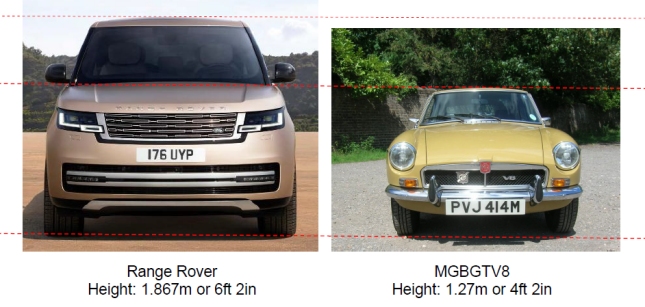
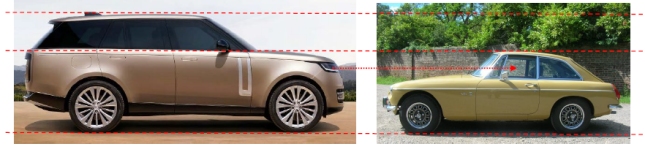
Alongside the relative size issue is illustrated
A Range Rover is 2ft or 0.6m taller than an MGBGTV8 but also
a consequential issue with that height difference, when headlights
are on, is that the horizontal line from the headlights of
a 4x4 heads straight to face of a driver in the MGBGTV8!
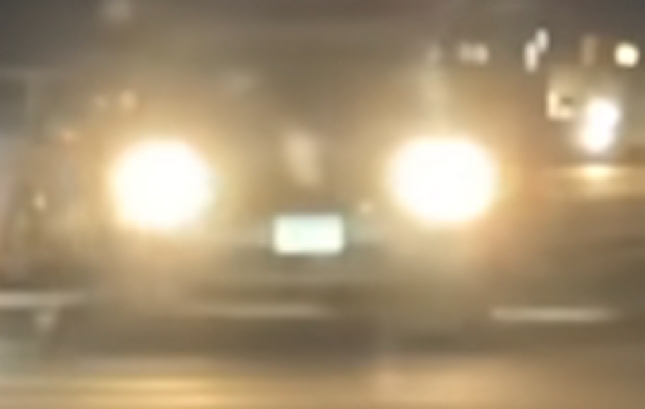
Headlight dazzle
Recent articles in the Which? magazine and on the RAC website highlight
"headlight dazzle" as a real problem and an increasing danger
for drivers. Link
Headlight dazzle at night
is caused by modern high-intensity LED and xenon bulbs (which emit
a whiter, bluer light and are more directional than older halogen
bulbs), misaligned lights, and higher-riding SUVs.
Parked up at Goodwood alongside
a Range Rover in 2021. Link
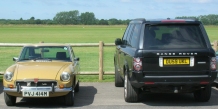
Posted: 261014 |
Relative
size issue
How
to avoid glare from oncoming headlights?
The RAC online article says to reduce the effects of headlight
glare at night, the College of Optometrists, which the
RAC works closely with on this topic, recommends the following
top five tips:
| 1. |
Keep
your windscreen clean and smudge-free to reduce
the impact of glare.
|
| 2. |
If
you wear glasses, ensure they’re clean and
smudge-free too.
|
| 3. |
Stay
up to date with sight tests with your local optometrist
to ensure your glasses help you see as well as possible
when driving and your eyes are healthy.
|
| 4. |
When
presented with bright oncoming headlights, keep
your eyes open and briefly look to the curb or side
of the road until you can see clearly again. This
will keep you safe and help minimise the discomfort
of glare.
|
| 5. |
Finally,
be considerate when driving and dip your headlights
when required. If you have automatically dimming
headlamps, remember they don’t always pick
up oncoming cars, cyclists and pedestrians, so know
how to dip them manually. |
In addition, adjust your rear view mirror at night to
reduce the effect of bright headlights behind you. Newer
cars have self-dimming mirrors that can also help, although
you may notice you still experience unavoidable glare
through your wing mirrors.
If
you are dazzled while driving it’s important to safely
slow down, or even stop your vehicle until your vision
improves. |
|
|


